
Okay, so check this out—I’ve traded crypto through cycles and watched tools come and go. Whoa! Hardware wallets aren’t sexy, but they stop a lot of dumb mistakes. My instinct said early on that private keys kept off the internet would matter more than slick UIs, and that gut feeling mostly held up.
Here’s the thing. Trading is adrenaline. You want speed, charts, margin, leverage, the whole nine yards. Really? Yes. But every trade still needs a signature. That signature is the gatekeeper between your funds and someone else’s copy. On one hand, hot wallets make trading convenient—low friction. Though actually, wait—let me rephrase that: convenience without safeguards is a recipe for loss, not just inconvenience.
Transaction signing sounds boring until you lose coins. Hmm… it happened to me once. I clicked a link that looked legit. My trading bot signed a transaction. Poof. The screen showed an approve and I hit enter reflexively. Oof. Lesson learned the hard way: verifying transaction details on the device itself matters. Something felt off about that UI. I knew something was wrong, but the rush won. That part bugs me—still does.
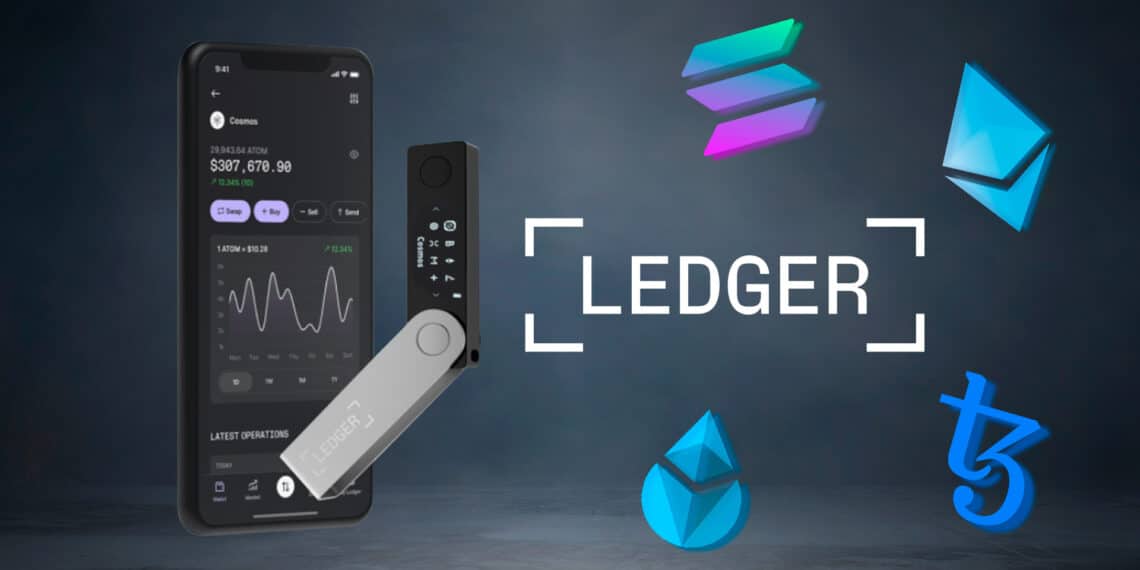
So how do Ledger devices help? Short answer: they make the private key inaccessible to your computer. Long answer: they present the transaction details on a secure element screen, require physical confirmation, and use a strict firmware model to reduce attack surface, which is crucial when interacting with complex DeFi contracts or unfamiliar trading platforms.
Signing realities for active traders
If you trade often you want speed, but you also want certainty. I learned to strike a balance. Some trades need one-button confirmations. Others—like multisigs or contract calls—demand careful review. The device forces a pause. Use that pause. For tooling I recommend pairing your wallet with well-known software and keeping firmware current. Try the official toolset, and if you use desktop apps, make sure you update them. You can manage your Ledger from the desktop interface, and for managing accounts I often point people to ledger live because it’s a straightforward way to view balances and initiate transactions while the device handles signing. I’m biased, but it reduces a chunk of friction without exposing keys.
At a technical level, signing happens inside the device’s secure element. Short: your key never leaves. Medium: when you initiate a transaction, the software crafts a message, sends it to the device, the device shows you fields (amount, destination, fees), and then, with your physical consent, uses the private key to compute a signature that goes back to the software, which broadcasts it. Long: the device isolates keys, verifies firmware integrity, may use a seed phrase derived hierarchy to segregate accounts, and creates attestation proofs that the host can check, though host verification is underutilized by many traders who trust convenience over cryptographic proofs.
On one hand hardware signing prevents remote extraction of keys. On the other hand it doesn’t stop social-engineering or phishing if you approve the wrong payload. Initially I thought hardware wallets solved everything. Then I realized human error is the biggest unresolved variable. I still had to read addresses, understand tokens, and refuse impulsive confirmations even when the price spiked. My approach evolved from blind trust to checklist-driven confirmations: check chain ID, verify recipient, confirm amount, inspect gas or slippage, then physically sign. It’s not glamorous. But it works.
Trading interfaces often try to hide complexity. They simplify slippage, batch operations, and vendor-specific function calls. Seriously? That simplification can mask dangerous contract calls. You might see “Confirm Swap” on the screen, while the actual call is “Approve unlimited spend” or “TransferFrom.” Always scrutinize the exact method names and parameters if your interface allows it. If it doesn’t, assume extra risk and reduce approvals.
For pro-level safety, consider these layered practices. Use a dedicated trading machine that’s isolated from your everyday browsing. Keep your seed offline and backed up with a passphrase if you need separating accounts. Employ a small hot wallet for fast trades and keep your larger holdings cold on a Ledger. Multi-signature setups add resilience for large pools of assets. And yes—regularly update device firmware, but do it from verified sources to avoid fake updates. I’m not 100% sure about every vendor trick out there, but this stack has saved me twice now, when somethin’ weird happened on a trading platform and I had the pause to decline.
There’s friction cost. You will feel it. Sometimes you’ll miss a move. Sometimes you’ll sigh and say “I could’ve made more.” But then again, you won’t cry over a stolen position. The emotional math matters.
FAQ
Do I need a hardware wallet if I trade on exchanges?
If you hold funds on custodial exchanges, you trade trust for convenience. For small, short-term positions that may be fine. For sizable holdings or active DeFi interaction, a hardware wallet for signing is a major security gain. Use custodial accounts for liquidity and hardware for long-term custody or sensitive approvals.
How do I verify a transaction on my Ledger?
Read the display. Check recipient, amount, network, and gas. If the device shows a contract call, look for the method name and parameters. Pause. If something is unclear, cancel and inspect the raw transaction on a trusted explorer or via the software. Double-approving without understanding is how mistakes snowball.
What about firmware and supply-chain risks?
Only use official channels for firmware and buy hardware from trusted sellers. Consider attestation features and learn to verify the device’s authenticity. If you’re unsure, set up the device yourself from a sealed package and never enter your seed into a computer or online form. It sounds pedantic, but that pedantry is the point.
To wrap up—well, not wrap up exactly, because life with crypto is ongoing—treat transaction signing as a ritual. Slow down for critical approvals. Trust hardware wallets for key isolation, but trust your brain more when confirming. Trade smart, keep backups, and question every unexpected prompt. Hmm… trade fast, sign slow. Really.